
Blade & Craft

Why Consider an Olive Wood Cutting Board?
When choosing a cutting board, factors like durability, hygiene, and aesthetics can make all the difference. Olive wood boards have been steadily gaining popularity, thanks to their beautiful grain patterns and naturally robust qualities. But what really sets them apart from other options like bamboo or maple? Natural Elegance Meets Practicality Olive wood’s distinctive swirling grain offers a touch of natural artistry that doubles as a functional kitchen tool. Whether you’re slicing vegetables or presenting charcuterie, an olive wood board seamlessly blends into both casual and elegant settings. Strength and Hygiene Olive wood boasts natural antibacterial properties, making it an excellent choice for everyday food preparation. Its dense structure helps resist moisture and wear, contributing to a long lifespan even under frequent use. One-of-a-Kind Craftsmanship Each piece of olive wood has its own grain pattern, ensuring that no two boards look exactly alike. When paired with resin, it gains an extra layer of durability and style, offering a functional piece of art that stands out in any kitchen. Preventing Mess and Spills Some boards, such as those from Lux Resin, feature deep grooves designed to catch juices. This keeps your countertops clean and makes food prep more efficient. It’s a small detail that makes a noticeable difference in daily cooking. Interested in Exploring Your Options? If you’re looking for a cutting board that marries strength, style, and practicality, an olive wood design could be the answer. Explore our collection to find a piece that fits your kitchen and taste. Conclusion Olive wood cutting boards bring together functionality, natural beauty, and long-lasting performance. With the added benefits of antibacterial resistance and spill-preventing grooves, it’s no wonder they’re a top choice for both amateur cooks and culinary enthusiasts alike.
Learn more
Is Damascus Steel Really Better for Kitchen Knives?
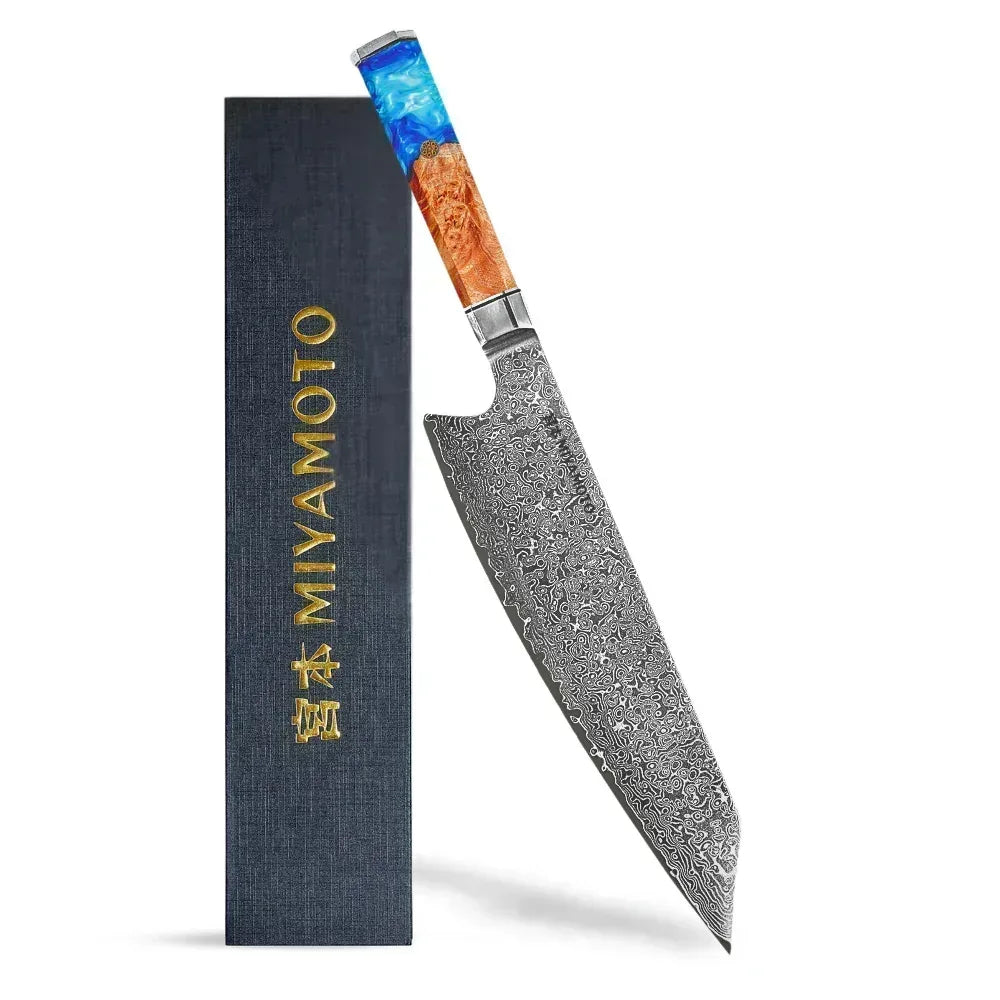
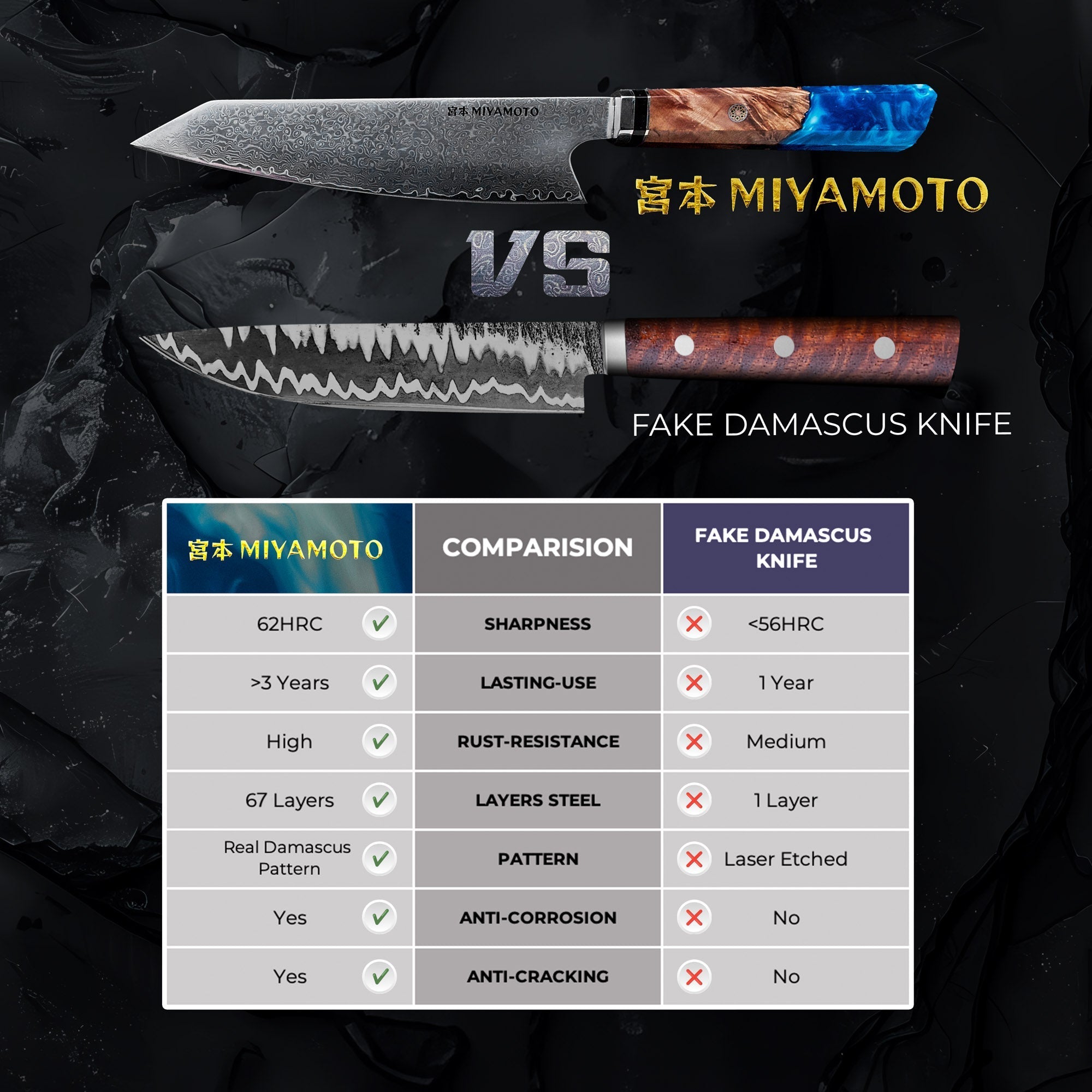
If you’ve been exploring high-quality kitchen knives, you’ve likely come across the term “Damascus steel.” Famous for its swirling patterns and impressive strength, Damascus steel has gained a reputation for being both beautiful and functional. But what actually sets these knives apart, and are they truly superior for home cooking? Understanding Damascus Steel Damascus steel is created through a process of folding and forging multiple layers of metal. Historically, blacksmiths used this method to achieve a blade that could maintain its edge for longer, resisting wear and tear. Modern Damascus steel, particularly VG-10 steel from Japan, continues this tradition by blending high carbon content with corrosion resistance. This combination offers sharpness and durability in a single, elegant package. Why Sharpness Matters A sharper knife isn’t just about slicing with ease—it’s also about safety. Knives that maintain a keen edge require less force, reducing the chance of slipping and causing accidents. Damascus steel’s layered composition holds its sharpness for extended periods, making it a practical choice for busy home cooks who value reliability. Longevity and Low Maintenance One of the biggest advantages of Damascus steel is its ability to resist rust and stains, especially when properly cared for. Simple routines, such as hand-washing the knife and drying it thoroughly, can keep the blade in top condition for years. While all steel knives benefit from consistent maintenance, the inherent strength of Damascus steel helps it withstand frequent use. Finding the Right Damascus Steel Knife When deciding if Damascus steel is right for you, consider how often you cook and the types of dishes you prepare. If you’re regularly slicing meats, vegetables, or delicate herbs, you’ll appreciate the precision and reliability that these blades offer. At Lux Resin, we draw on time-honored forging methods and source VG-10 steel to craft knives that balance traditional artistry with modern convenience. If you’d like to explore our selection of Damascus steel knives, feel free to visit our collection. Conclusion Damascus steel stands out for its unique forging technique, remarkable edge retention, and striking layered patterns. While any knife needs proper care to maintain peak performance, this material’s durability makes it a top pick for many home chefs. If your goal is to invest in a reliable, long-lasting blade, exploring a Damascus steel option could be the perfect answer.
Learn more