
Choosing the right chopping board might seem like a small decision, but it can make a big difference in your kitchen. The two most common options are wooden chopping boards and plastic chopping boards, and each has its own advantages.
Professional chefs and home cooks alike often debate which material is better. The truth is that both can work well depending on how you cook, how often you prepare food, and how you maintain your kitchen tools.
Let’s break down the key differences between wood and plastic chopping boards so you can decide which one is best for your kitchen.
Durability and Longevity
One of the biggest differences between wooden and plastic chopping boards is how long they last.
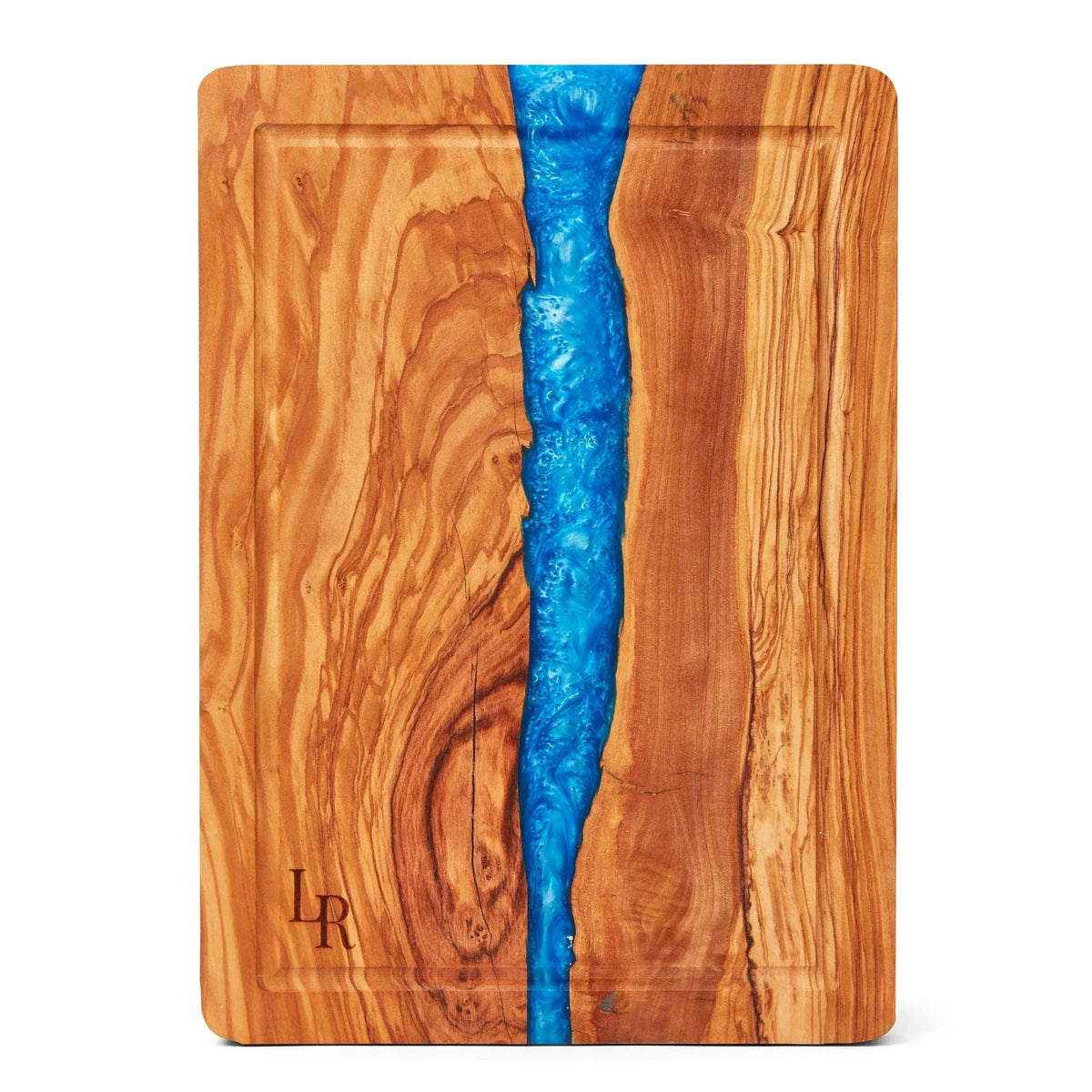
Wooden chopping boards are known for their durability. High-quality boards made from hardwoods like olive wood or maple can last for many years when properly maintained. They also tend to develop a natural patina over time that many cooks love.
Plastic chopping boards, on the other hand, are usually cheaper and lighter. However, they tend to wear out faster. Over time, knife marks can create deep grooves in the surface, which can make the board harder to clean and more likely to trap food particles.
If longevity matters to you, wood generally has the advantage.
Knife Friendliness
The type of chopping board you use affects how quickly your knives become dull.
Wooden boards are typically gentler on knife edges. The natural fibers of the wood allow the blade to sink slightly into the surface, which helps maintain sharpness.
Plastic boards are slightly harder, and once they develop cut marks, they can dull knives more quickly.
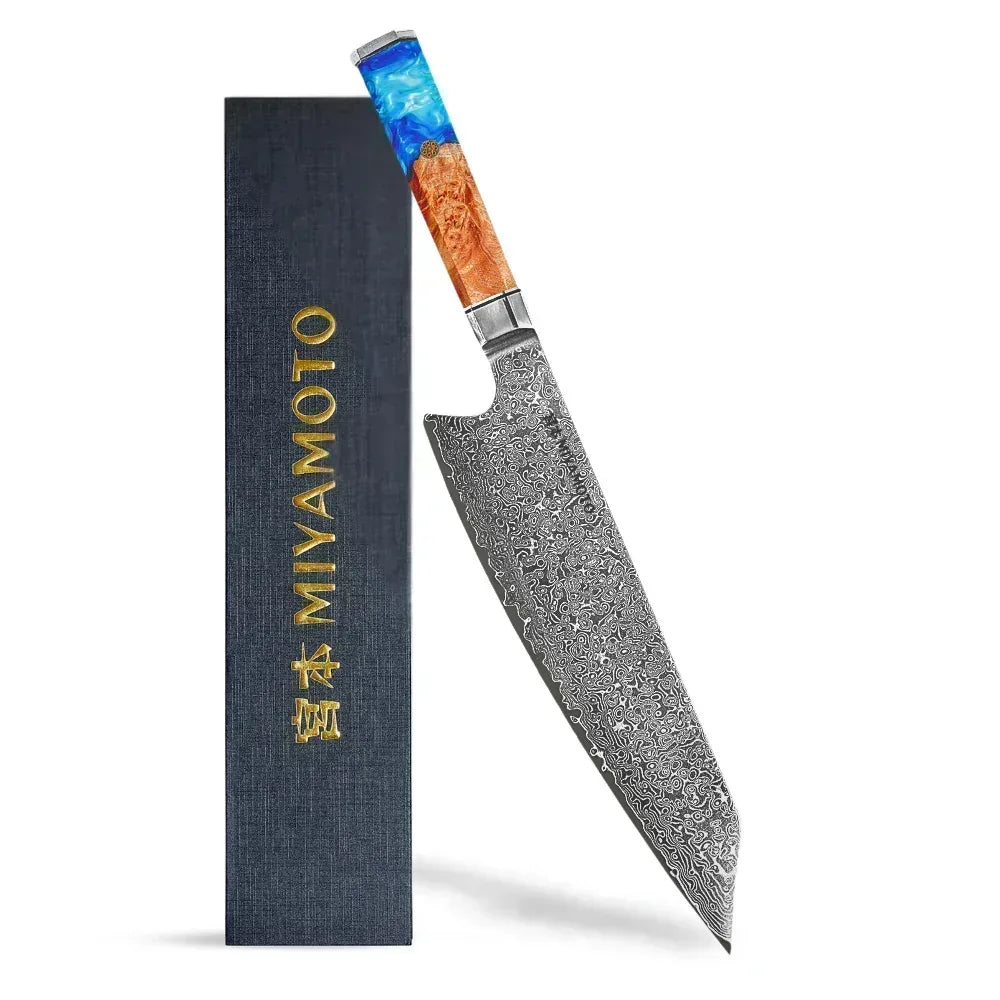
For people using high-quality kitchen knives, especially Damascus steel knives, a wooden board is usually the better option to protect the blade.
Hygiene and Food Safety
For many years, plastic chopping boards were believed to be more hygienic because they can be placed in the dishwasher.
However, research has shown that wood chopping boards can actually be very sanitary when cleaned properly. Natural wood fibers can trap bacteria and prevent them from multiplying on the surface.
Plastic boards can develop grooves over time where bacteria may collect if they are not cleaned thoroughly.
The key to food safety is proper cleaning regardless of the material.
Maintenance
Maintenance is where plastic boards are often more convenient.
Plastic chopping boards:
-
Dishwasher safe
-
Low maintenance
-
Easy to replace
Wood chopping boards:
-
Require hand washing
-
Need occasional oiling
-
Should not be soaked in water
Although wooden boards require a little more care, many cooks feel the performance and appearance make it worthwhile.
Appearance and Kitchen Style
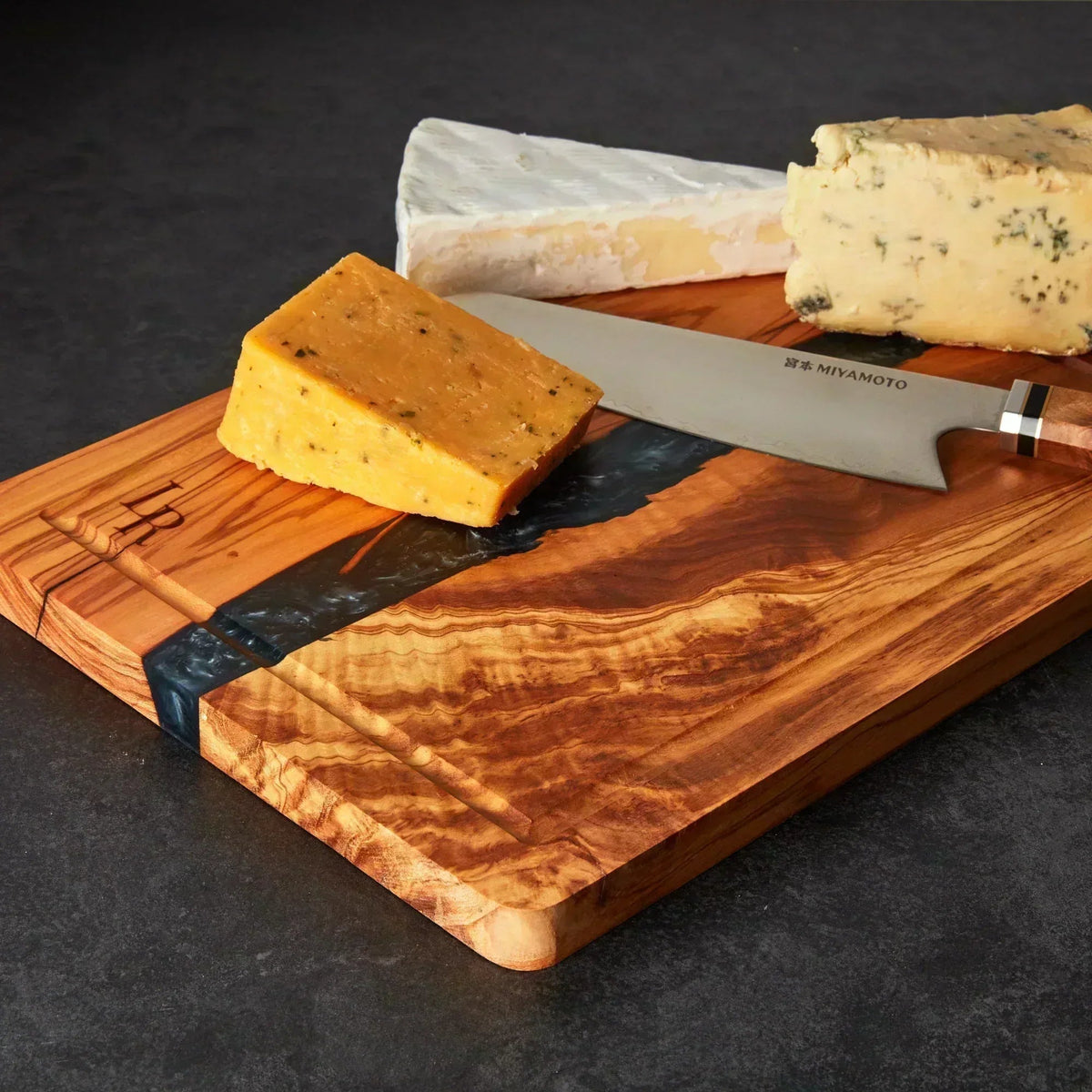
Wooden chopping boards are often chosen for their natural beauty. They can double as serving boards for dishes like charcuterie, cheese, and bread.
Plastic boards are usually more practical than stylish. While they are common in busy kitchens, they rarely add much visual appeal to a countertop.
If you enjoy a warm, natural kitchen aesthetic, wood is usually the preferred choice.
Which Chopping Board Should You Choose?
Both materials can work well, but the right choice depends on your priorities.
Choose wood if you want:
-
A durable board that lasts for years
-
Better protection for your knives
-
A beautiful board that can also be used for serving
Choose plastic if you want:
-
A low-maintenance option
-
Dishwasher convenience
-
A lightweight board for quick prep tasks
Many professional chefs actually use both: wooden boards for most food preparation and plastic boards for certain raw ingredients.
Final Thoughts
A chopping board is one of the most frequently used tools in any kitchen. Choosing the right one can improve food preparation, protect your knives, and even enhance the look of your kitchen.
While plastic boards are convenient, wooden chopping boards remain a favourite among many chefs thanks to their durability, knife-friendly surface, and timeless appearance.
For home cooks who value quality tools, a well-crafted wooden chopping board can become a staple of the kitchen for many years to come.
Related: Shop our olive wood and resin chopping boards.
Explore related Lux Resin products
Browse our olive wood and resin chopping boards, or explore Miyamoto kitchen knives for food preparation.